

Positive Dog and Puppy Training Tips All Families
Positive does NOT equal Permissive
Key Rule: Positive Puppy/Dog Training means setting clear boundaries without the use of choke chains, pinch collars, or harsh physical corrections.
1. Positive Reinforcement (R+)
Science based - solution focused dog training involves adding a reward immediately after the dog performs a desired behavior. This increases the likelihood that the dog will repeat that behavior in the future.
2. Teaching an Alternate Behavior
If you Don’t Like a behavior your dog is offering? Teach what you DO want!
Example: : Dogs jump up to get your attention. Which is exactly what they get when you say “Down…Down!..Off!” (Lots of attention!) Instead teach your dog to come to you and sit quietly in front of you to get the attention it desires. Warman Dog Training teaches this skill in all group classes and private behavior consultations.
3. Clicker Training (optional) - a positive marker
Example: A clicker is used to pinpoint the exact moment the dog does something right. The "click" tells the dog, “Good for you, a reward is coming” Much of clicker training is non-verbal. Because dogs are brilliant reading our body language, they quickly learn to watch us and pick the correct behavior. For example, teaching Down with a clicker yields fast downs with duration.
4. Shaping - breaking a complex behavior into small steps
Example: When teaching dog to "go to mat," you first (click) reward them for looking at the mat, then for stepping toward it, then for touching it, and finally for having all four paws on it. Rewards are tossed on the mat to keep the dog on the mat. Once the dog begins to OFFER going to Its mat, you have shaped a new behavior that is reinforced with tossing food rewards on the mat. With practice the rewards are gradually eliminated.
5. Redirection
Instead of scolding a dog for an unwanted behavior, you redirect them to a positive one.
Example: If a puppy is biting your hands, withdraw your attention and gently withdraw your hand. Gently put your hand in the side puppy’s collar to prevent the puppy from being able to bit you. When the puppy has settled and is no longer trying to nip you……? Talk to the puppy in a calm voice and gently pet the puppy. If the puppy tries to nip & bite you again? Repeat! Warman Dog Training Puppy Level 1 Classes & Puppy Head Start training will help your puppy to stop biting and learn to put it’s teeth only on toys, etc.
6. Consistency - Dog/Puppy Training is 24-7 follow through
Example: Consistency is Key to all dog training. Focused training sessions must be followed up with consistent expectations. Dogs learn through structure, routine and consistency. At Warman Dog Training we provide follow-up videos to help with follow up training.
7. Set your dog up for Success! Control their environment
Example: Counter Surfing: Train your dog to stay OUT of the KITCHEN. Move all food items to the back of the counter out of reach of the dog.
Example: Control the Space. Put up gates to keep your puppy from rushing the doorway or peeing on the rug.

Set your dog up for Success.
Control your Dog’s Environment
May 13. 2026
Written By Warman Dog Training - Jen Scheidt
If a dog can't practice a bad habit, they can't get reinforced for it.
Example: rushing and barking at the door when visitors arrive.
Solution: Put up a gate to prevent the dog from rushing the door and teach your dog to settle on it’s mat when the doorbell rings.
Example: Counter Surfing (browsing the kitchen counter)
Solution: Train your dog to stay out of the kitchen. Reward your dog for staying out of the kitchen. This skill is covered in Warman Dog Training classes and is a focus skill in private dog training in your home. Consistency is key. All family members must follow through with this training.
Solution: Keep food items at the back of the counter (control the environment) Train the dog to stay out of the kitchen.
Chaos to Calm:
Why In-Home Dog Training is a Game Changer!
Feb 11, 2026
Written By Warman Dog Training - Jen Scheidt
Most Dogs are GREAT!!! 90% of the time BUT!!! that other 10%
barking - lunging - nipping & biting - leash-reactivity - counter surfing, etc.
Why 1-1 Training for Adult Dogs is the Best Option.
Jen at Warman Dog Training will address your specific concerns and find solutions for your situation.
1-1 Training allows you and your dog to focus on learning.
Shy or Reactive dogs feel much safer in a familiar space, which leads to faster comprehension.
The Power of Positive Reinforcement.
Teaches the dog ‘what you want’ versus ‘corrections’ which discourage learning by instilling fear in the dog.
For example, instead of scolding a dog for jumping up, we reward them for keeping four feet on the floor.
Positive Dog Training strengthens the bond between you and your dog, who tries to please to be rewarded.
Your dog is willing to try harder to receive a reward instead of being afraid of a correction.
Rewards are your dog’s favorite things: Food, Toys, Pets, and praise equal positive reinforcement.
What to Expect in a Consultation.
Observation: Jen will watch how your dog interacts with their environment and you.
Goal Setting: Jen will listen to your concerns and develop a training plan for you.
Hands-On-Training: Jen will work with your dog to demonstrate techniques, then coach you through them.
Homework: Jen will give you a plan to follow up and send videos to support your training.
Time allotment: Jen will work with for 1-1.5 hours per training session
Positive Puppy Training Tips
Nov 19, 2025
Written By Warman Dog Training - Jen Scheidt
Bringing home a new puppy is exciting-but it can also be overwhelming!
Positive training helps your puppy learn with confidence.
At Warman Dog Training, we focus on solution-focused, reward-based positive dog training methods that build lasting good behavior.
‘Positive does Not equal Permissive’
Structure-Routine-Consistency are the Keys to Positive Dog Training.
Keep training Sessions Short and Fun: Puppies have short attention spans. Aim for 2-5 minute sessions filled with encouragement and end with play. Always end on a positive note so your puppy looks forward to the next training session.
Use rewards that motivate: Use your puppy's daily food to train in the house, in a low-distraction environment. Do not leave food out in a dish all day; use it for training instead. After foundation training indoors, take the training outdoors or to more distracting environments. Upgrade with treats, such as hot dogs, cheese, etc., when you move outdoors or come to puppy class.
Be Consistent: Everyone in your home should use the same cues and expectations. To help with family training, book a Puppy In-home private training session with Jen at Warman Dog Training. Consistency helps your puppy understand what is expected, making training smoother for your family and the puppy.
Stay Patient and Positive: Never punish your puppy for mistakes; instead, teach what you want it to learn. Redirect and reward the right behavior. Patience, Structure, Routine and Consistency are key.
At Warman Dog Training, we make learning fun for both dogs and their humans.
Options: Head Start In-home Training, Puppy classes, or Private Behavior consultations.
Book: Head start Puppy Training sessions, group Puppy Classes or Adult Dog Private Training Sessions.
Serving Warman, Martensville, Saskatoon, and the surrounding area.
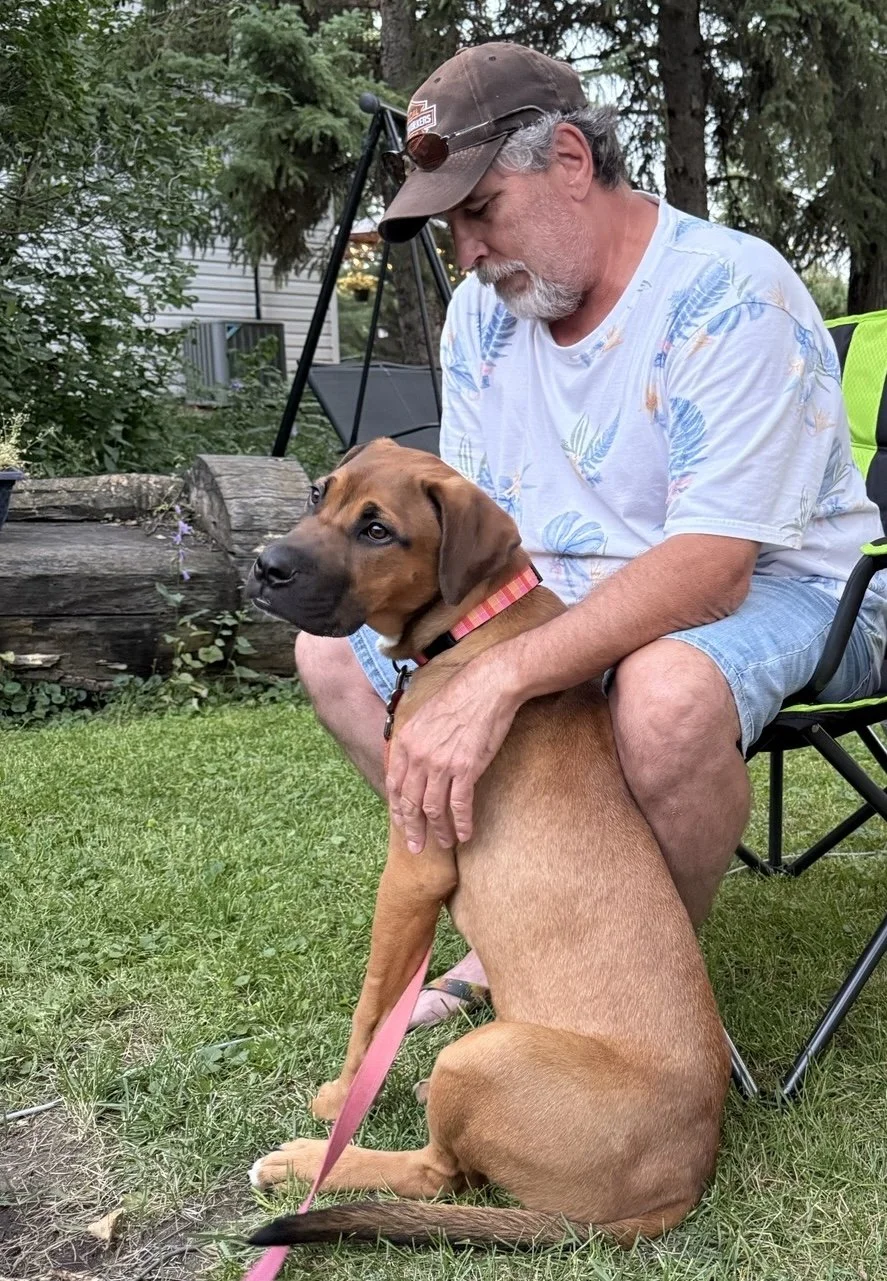
Positive reinforcement puppy & dog training. What does it mean? Positive? Reward based?
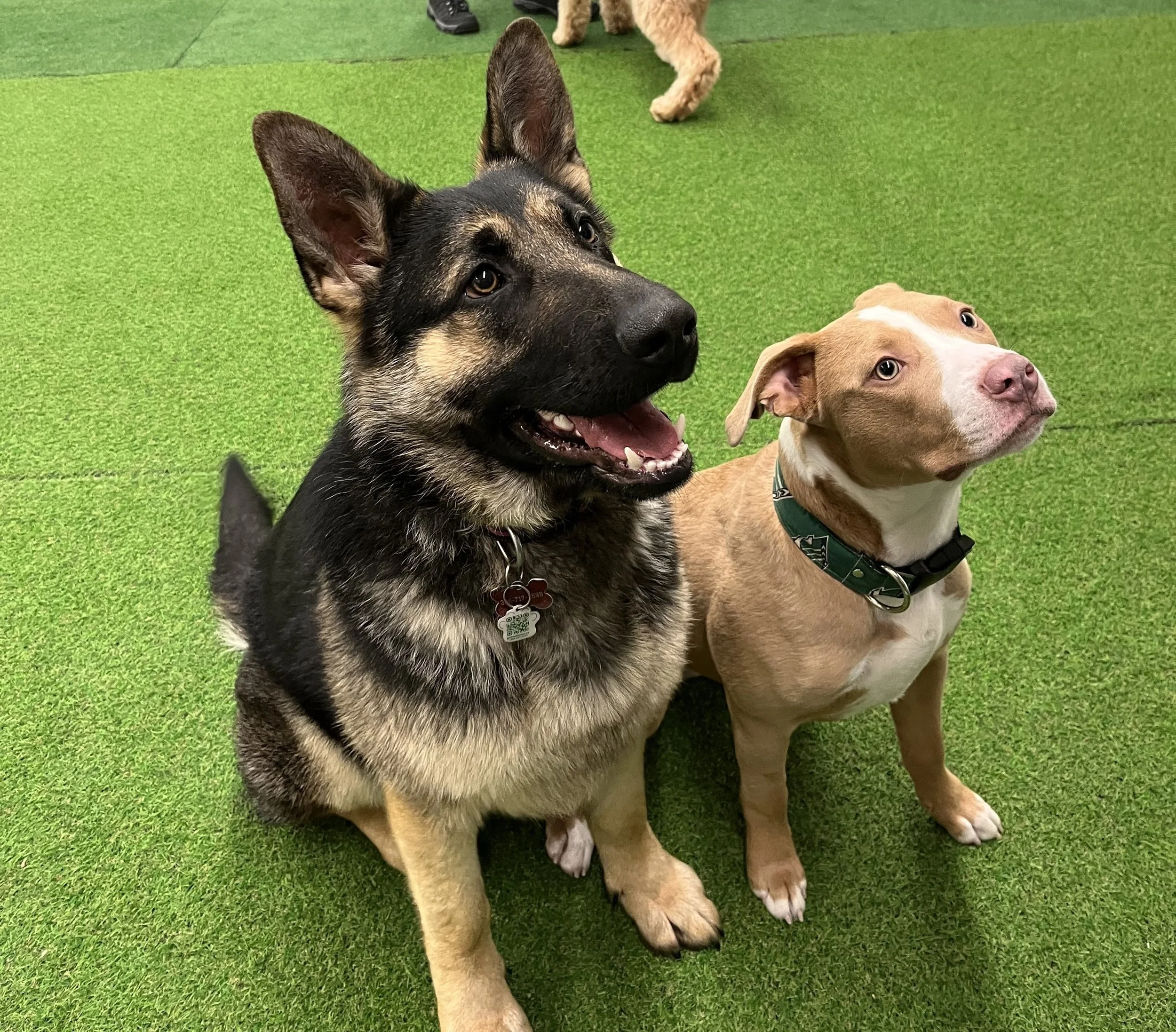
Roxy, Large Breed Dog and her owner practicing positive re-inforcment handling skills.
Positive reinforcement (often referred to as R+) is a core concept in behavioral psychology and training. At its foundation, it operates on a simple principle: adding a desirable stimulus immediately following a specific behavior increases the likelihood that the behavior will happen again.
Core Principles
Addition of a Reward (Stimulus): "Positive" in behavioral terms does not mean "good"—it mathematically means adding something. This could be a food treat, praise, play, money, or extra free time.
Immediate Timing: The reward must follow the desired behavior immediately. Delayed rewards make it harder for the individual or animal to connect the action with the outcome.
Contingency: The reward must only occur if the specific, desired behavior is performed.
Subject-Driven Value: A consequence is only reinforcing if the recipient values it. For example, offering a dog a vegetable it dislikes as a reward will not reinforce a behavior.
Key Techniques & Applications
Teaching Alternate Behaviors: Instead of focusing on stopping an undesirable behavior through punishment, positive reinforcement focuses on rewarding what you do want. For instance, rewarding a dog for sitting quietly when guests arrive rather than scolding it for jumping.
Shaping: Complex behaviors are taught by breaking them down into small, manageable steps. Reinforcement is given for incremental progress toward the final target behavior.
Redirection: When an unwanted action occurs, the focus shifts to redirecting the individual toward a positive, rewardable action.
Consistency: Consistent application establishes clear expectations, helping build routine and reliable habits over time.
By focusing on rewards rather than fear or physical corrections, positive reinforcement builds trust, encourages active learning, and creates long-lasting behavioral habits.
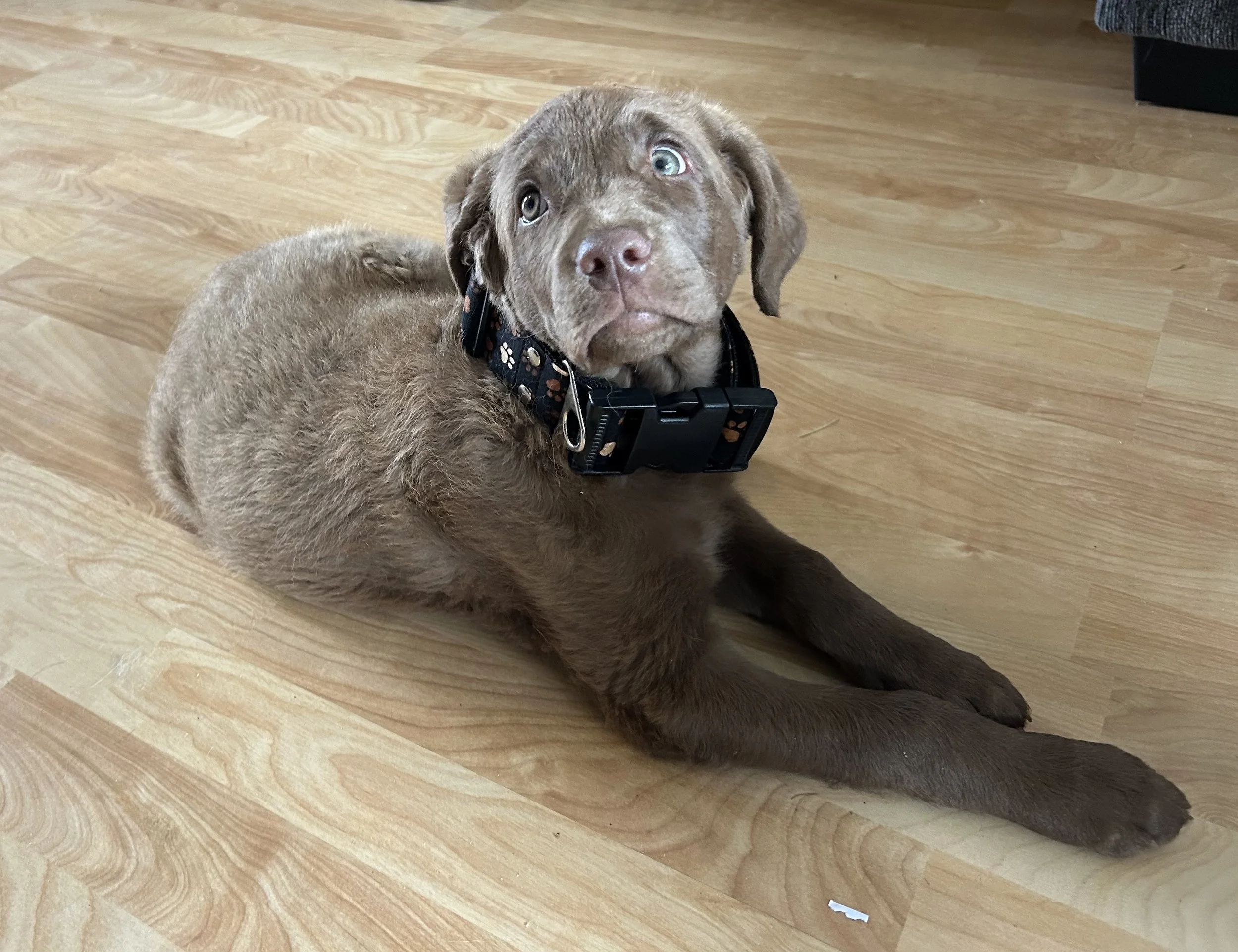
Best Puppy Classes in Saskatoon, Martensville & areas
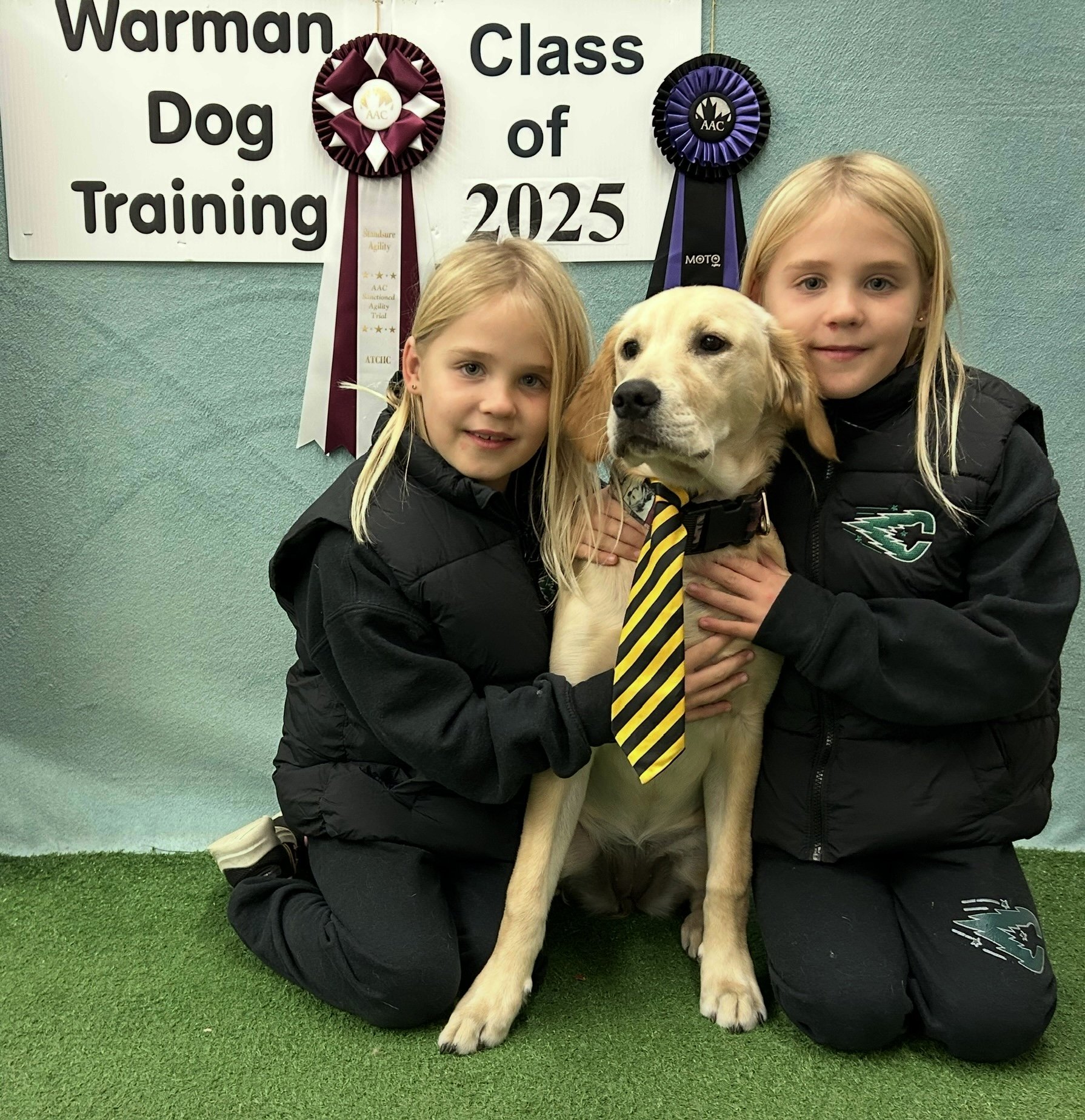
Cocoa, is an 11 week old, Chesapeake Bay Retriever puppy posing for his picture after his Headstart in home training session in Saskatoon. Cocoa’s new puppy parents called Jen at Warman Dog Training because Cocoa was jumping up and biting everyone in the family. Jen worked with the family to teach Cocoa to stop biting by creating calm. The family asked many questions re: behavior issues, potting training, crate training, vaccinations, toys and how to play tug safely with the puppy. Jen created and sent the family 8 follow up videos. Cocoa is enrolled in group puppy class at Warman Dog Training begining in June, 2026.
Bringing home a new puppy is an incredibly exciting milestone! However, it doesn't take long for new puppy parents to realize that nippiing, bitng, jumping up, chewed shoes, and midnight bathroom runs are also part of the package.
At Warman Dog Training, we proudly offer professional positive puppy obedience and socialization classes serving Saskatoon, Martensville, Warman, and the surrounding areas.
Here is what you should look for in a great puppy class, and why force-free training makes all the difference!
Why the Early Weeks Matter: The Power of Socialization
Did you know that a puppy’s critical socialization window starts closing around 16 weeks of age? This brief period shapes how your dog will view the world for the rest of their life.
Proper puppy classes aren't just about learning "sit" and "stay"—they are about building confidence. A great class provides a safe, controlled environment where your puppy can experience:
Positive interactions with unfamiliar people of all shapes and sizes.
Polite socialization with other puppies of various breeds.
Exposure to novel sights, sounds, and textures to prevent future fears and anxieties.
Why choose Warman Dog Training? What is the difference?
Every Class has play breaks. Young puppies do not do well waiting on leash while the trainer talks. During instructio time the puppies get to play. Recalls out of play is a very important part of puppy training.
Experienced Behaivorist & Trainer: Jen has over 25 years of professional positive puppy training experience. She has facilitated classes for over 1,000 new puppy parents. Jen’s classes are fun and interactive. Jen is a force-free trainer who teaches science-based positive dog training only. You will learn basic puppy obedience and manners while your puppies get to play and practice their new skills with you.
Before you book puppy class? Ask questions! “ What do you teach in classes?” “Do the puppies get to socialize off leash?” “ Are your classes positive puppy training or a mix of training methods?” A mix means the use of corrections, and corrective devices are options. (choke chains, pinch collars, etc)
Warman Dog Training offers a Puppy Headstart Training package. Jen will come to your home in Saskatoon, Martensville and areas to begin training before your puppy can attend. group classes (2 sets of vaccinations are required to join a group classes). After in-home private training, your puppy should attend our group puppy classes (included in the Headstart Package). Total cost is $250
Socialization is Key! Do you want learn how to raise a confident adult dog? how? Early socialization and exposure to lots of stimuli, dogs, people, children, noisy vehicles, pet-friendly stores, etc, etc. Take your dog to stores in Saskatoon and area.
DO NOT take young puppies to the Dog Park!! Come to our puppy classes to socialize your puppy in a safe environment with other puppies.
❓ Question of the Week: How do I stop my puppy from biting my ankles when I walk?
This is one of the most common question we get from new puppy parents! When you walk, your moving feet and pant legs look like a highly exciting, fast-moving tug toy to a puppy.
Instead of scolding them, try this positive approach: Freeze and Redirect.
Step 1: The moment those sharp puppy teeth touch your socks or ankles, turn into a completely boring statue. Stop moving entirely.
Step 2: Wait for your puppy to let go and look at you wondering why the "toy" stopped moving. If your puppy won’t let go. Gently hold the puppy’s collar to prevent it from biting your legs more. Remain calm! Do Not interact or talk to the puppy until the puppy settles.
Step 3: When the puppy stops trying to bite you and is calm. Count to 3. Then let go. Praise the puppy calmly and say, “Do you want to play? Let’ go find your toy” Then play with the puppy to redirect its energy.
This teaches your pup that biting your ankles makes the fun stop, but focusing on their own toys makes the game keep going!
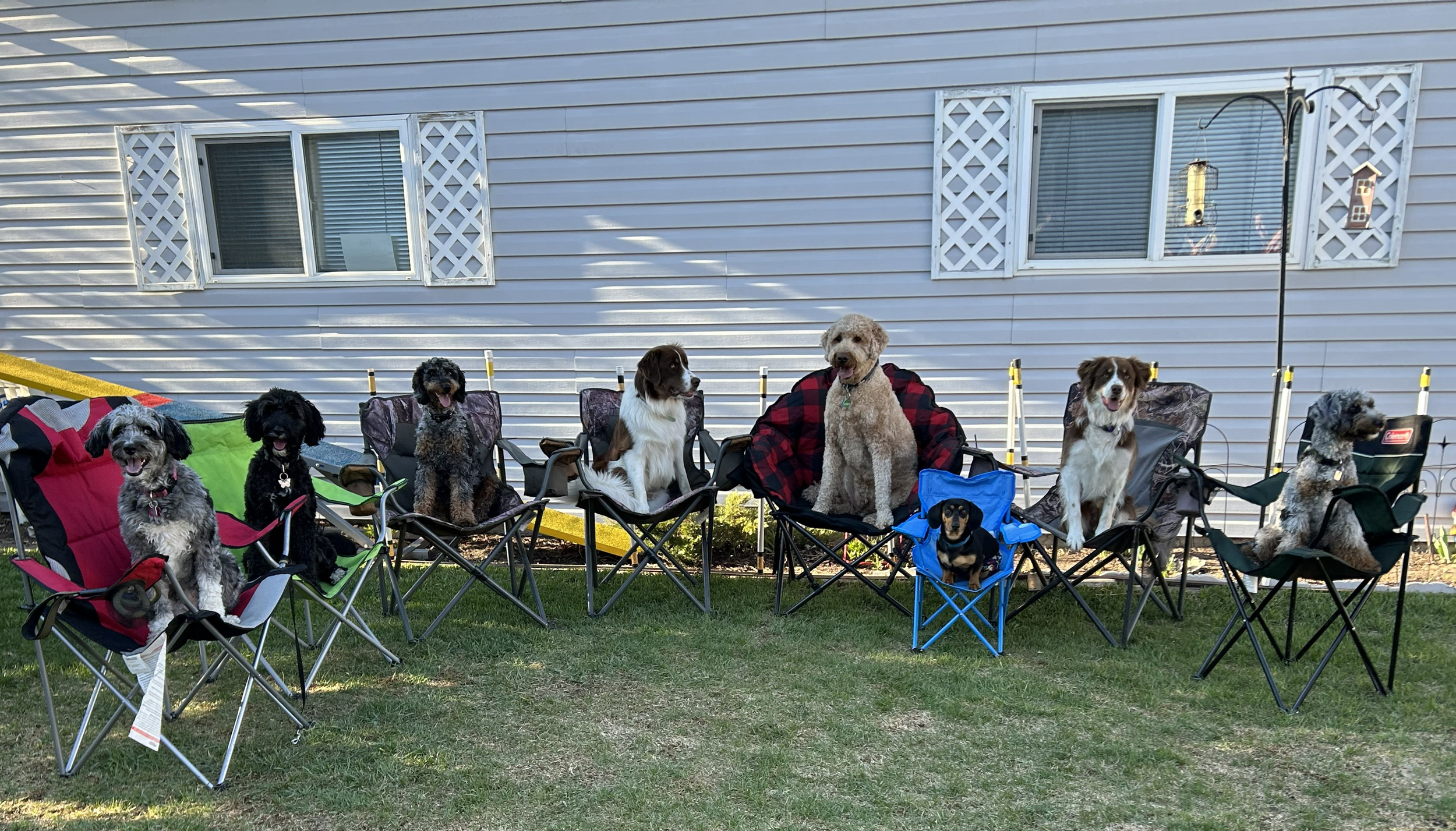
Positive Dog/Puppy Training vs. Correction Training Methods
Beginner Trick Class at Warman Dog Training practicing self-control sitting in chairs while waiting for their turn to play agility.
Why Positive Dog Training Wins (And Why We Hold a 5.0★ Rating)
We don’t just train dogs; we set them up to love learning. It’s the reason local pet parents have given Warman Dog Training a perfect 5.0 Google review ranking.
Here is what makes our positive approach different:
Science-Backed Methods: We use reward-based techniques to reward the behaviors we want, making it fun for your dog to make the right choices.
Supervised Off-Leash Play: We know that a happy dog learns best. That’s why our obedience classes kick off with 15 minutes of fully supervised off-leash playtime so puppies and adult dogs can burn off energy, socialize safely, and enter the learning zone with a relaxed mind.
A Supportive Environment: We are here to coach you just as much as your dog. No judgment, no harsh gear—just clear communication and positive results.
Frequently Asked Questions About Positive Dog Training
Why is positive reinforcement training more effective than correction-based methods?
Positive reinforcement training focuses on rewarding your dog for making the right choices rather than punishing them for making mistakes. By using high-value rewards like treats, praise, and play, we build a strong bond of trust and cooperation. Science shows that force-free methods help dogs retain their training longer and completely avoids the risks of fear, anxiety, or defensive aggression that can often be triggered by old-school physical corrections.
Can positive dog training fix severe behavioral issues like pulling or reactivity in Saskatoon?
Absolutely. Positive training is highly effective for modifying complex behaviors like leash reactivity, resource guarding, and intense pulling. Instead of just suppressing the behavior with a corrective collar, positive training addresses the underlying emotion causing the issue. We help you shift the focus from "What do I want my dog to stop doing?" to "What behavior do I want them to do instead?" Using positive reinforcement, we train that desirable replacement behavior seamlessly. We work with dogs across Saskatoon, Warman, and Martensville to ensure long-term success and a happier, more confident family pet and a happy family.
Why NOT? use choke chains and pinch collars? The Danger of Old-School Correction Training!!!
Warman Dog Training does not permit any harsh corrections or abusive devices in any of its classes or private dog training sessions. ‘Posititve does NOT equal permissive’ Positive dog training creates, calm, well mannered dogs, that learn to go for walks on a loose leash without harsh corrections.
Warman Dog Training offers a Solution! Solution-focussed Dog Training - focuses on what your dog does well and builds on your dog’s natural desire to please and be rewarded.
Many traditional training methods are based on outdated dominance myths from decades ago. While harsh corrections might temporarily stop an unwanted behavior out of sheer fear, science shows they often create deep-rooted side effects:
Hidden Anxiety: A dog trained with force learns to hide their emotions, which can lead to sudden, unpredictable reactivity later on.
A Broken Bond: Training shouldn't feel like a battle of wills. Methods that cause discomfort or stress break down the trust between you and your pet.
Shutting Down: Dogs trained under threat of correction often stop trying altogether, losing their natural curiosity and joy.
5* Positive Dog Training | Why Force-Free Methods Win
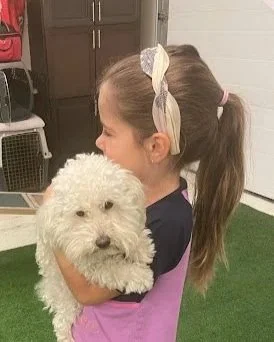
Little Girl and her puppy at Warman Dog Training Puppy Obedience & Socialization class. Building a strong positive bond with her new family member.
At Warman Dog Training, we believe your dog is a loved family member, not a subordinate to be broken. That’s why we are proudly 100% force-free and positive-reinforcement based.
Many traditional training methods are based on outdated dominance myths.
Spike in Anxiety & Reactivity: Because these tools rely on discomfort and pain, dogs quickly associate that physical punishment with whatever they are looking at—whether it's another dog, a stranger, or a bicycle. This creates underlying anxiety and frequently turns mild frustration into, full-blown reactivity.
Accidental Harm: Most dog owners cannot physically use these corrective devices with the split-second precision required. As a result, they wind up inadvertently doing physical harm to their dog's neck or psychological damage to their spirit, ultimately setting their training backwards.
The Positive Alternative: Choosing a force-free, reward-based approach does the exact opposite. Instead of managing a dog through fear, positive training builds a calm, well-mannered, and happy dog who wants to listen because they feel safe and understood.
Why Positive Dog Training Wins (And Why We Hold a 5.0★ Rating)
We don’t just train dogs; we set them up to love learning. It’s the reason local pet parents have given Warman Dog Training a perfect 5.0 Google review ranking.
Here is what makes our positive approach different:
Science-Backed Methods (R+): We use reward-based techniques to reinforce the behaviors we want, making it fun for your dog to make the right choices.
Supervised Off-Leash Play: We know that a happy dog learns best. That’s why our obedience classes kick off with 15 minutes of fully supervised off-leash playtime so puppies and adult dogs can burn off energy, socialize safely, and enter the learning zone with a relaxed mind.
A Supportive Environment: We are here to coach you just as much as your dog. No judgment, no harsh gear—just clear communication and positive results.
Ready for a Happier, Better-Behaved Dog?
You don’t need to use a heavy hand to get a well-mannered companion. Whether you need puppy socialization, private behavioral consultations, or advanced skills, we are here to help you build a bond that lasts a lifetime.
Serving Warman, Martensville, Saskatoon, and the surrounding area
FAQ?
How old should my puppy be to start obedience and socialization classes in Saskatoon?
Puppies can start attending Warman Dog Training puppy classes as soon as the puppy has completed 2 sets of vaccinations. This vaccination protocol will typically put your puppy at 3 months of age.
Before my puppy is vaccinated? Don’t wait to start training! Before your puppy has 2 sets of vaccinations, book a Headstart in-home session. Jen will come to your home in Saskatoon, Martensville or surrounding areas. She will send follow-up videos to help you practice puppy skills with your puppy.. Book a puppy Headstart package that includes your home session followed by a full set of puppy classes. www.warmandogtraining.com/booknow1
‘The Sooner the Better!’ Because the critical socialization window begins to close around 16 weeks, starting early in a clean, controlled environment like our Warman facility is the safest way to build your pup's confidence before they are ready for public spaces or local dog parks.